
The Story Behind Rocky Mountain Jeans: How a Regional Icon Became an American Classic
Rocky Mountain Jeans carries a legacy that few denim brands can match — a history rooted in the rugged landscapes and working communities of the American West. What started as functional workwear for ranch hands and miners evolved into a cultural touchstone that still resonates with collectors and everyday wearers today.
Understanding the rocky mountain jeans history means looking beyond the stitching and fabric to see how geography, craftsmanship, and timing converged to create something lasting. We’re tracing that journey here, from the brand’s earliest days through the shifts that defined its identity.
Origins in Western Workwear Culture
Rocky Mountain Jeans emerged during a period when denim was still primarily a utility fabric, not a fashion statement. The brand’s founding reflected the needs of workers in mining towns and agricultural communities scattered across the Mountain West, where clothing had to withstand harsh conditions and long hours without frequent replacement.
Early production focused on heavyweight denim constructed with reinforced bartack stitching at stress points — pockets, belt loops, fly — using techniques borrowed from older workwear traditions. These weren’t jeans designed to make a statement; they were built to survive the kind of wear that destroyed lighter garments in weeks.
The brand’s name itself tied the product to place, anchoring its identity in the landscapes where the jeans were worn daily. That regional association became part of the product’s appeal as Western imagery gained traction in broader American culture during the mid-twentieth century.
Design Details That Defined the Brand
Rocky Mountain Jeans developed a recognizable design language through specific construction choices that set them apart from competitors. The trademark embroidered yoke on back pockets, originally a reinforcement feature, became a visual signature that made the jeans identifiable even from a distance.
Fit philosophy leaned toward a slightly higher rise and roomier seat than many contemporaries offered, reflecting the practical needs of people who spent long days moving, bending, and working outdoors. The same attention to vintage construction details that defined early models continues to influence how collectors and wearers evaluate authenticity today.
Fabric weight typically ranged from 13 to 14.5 ounces per square yard, placing Rocky Mountain Jeans in the midweight category — substantial enough for durability without the stiffness that made some heavyweight competitors uncomfortable during break-in. Selvage denim appeared in certain production runs, though the brand never marketed it as a premium feature the way later heritage lines would.
Shifts in Production and Market Position
As denim transitioned from workwear to casualwear in the 1970s and 1980s, Rocky Mountain Jeans faced the same challenges that reshaped the entire industry. Production moved away from regional mills as cost pressures and changing consumer expectations pushed brands toward offshore manufacturing.
The brand’s identity evolved during this period, balancing its working-class origins against the fashion-driven market that now defined denim. Some longtime wearers appreciated the consistency in fit and construction, while others moved toward brands that emphasized heritage storytelling and premium pricing.
By the 1990s, Rocky Mountain Jeans occupied a middle position — not a mainstream giant like Levi’s, but not yet rediscovered by the vintage and heritage communities that would later drive renewed interest. That in-between status meant the brand remained accessible and affordable even as certain older production runs began appearing in secondhand markets.
Rediscovery and the Vintage Denim Movement
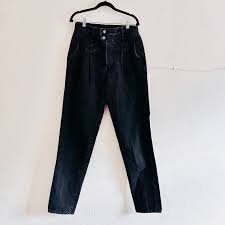
The resurgence of interest in pre-1990s American denim brought Rocky Mountain Jeans back into view for a new generation of wearers. Vintage enthusiasts valued the brand for exactly the qualities that once made it unremarkable: honest construction, consistent sizing, and designs that reflected actual use rather than trend cycles.
Pairs from the 1970s and early 1980s, especially those showing natural fading and wear patterns, became sought after in online marketplaces and vintage shops. The brand’s relative obscurity compared to household names meant prices stayed reasonable even as demand grew.
Today’s vintage Rocky Mountain styles for women and men alike appeal to wearers looking for alternatives to the usual suspects in heritage denim. The rocky mountain jeans history matters not because the brand invented anything revolutionary, but because it represents a specific moment in American manufacturing and design that can’t be replicated.
What Authenticity Means Now
Collectors and everyday wearers approach Rocky Mountain Jeans with different priorities, but both groups care about authenticity in their own ways. For collectors, provenance details like label variations, rivet styles, and stitching patterns help date and verify older pairs.
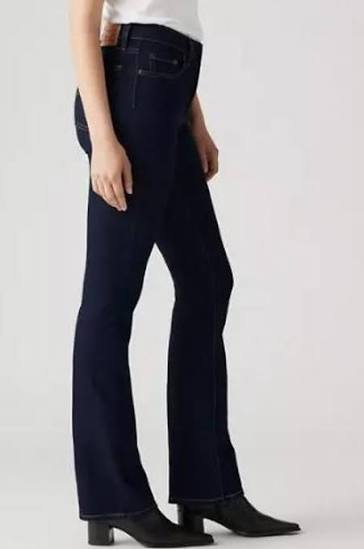
For people simply looking for well-made jeans, authenticity means fit consistency and construction quality rather than historical minutiae. The brand’s continued presence in vintage-inspired women’s lines and classic men’s cuts speaks to ongoing demand for styles that don’t chase seasonal trends.
Authenticity also extends to how brands tell their own stories. Rocky Mountain Jeans never positioned itself as a luxury product or mythologized its origins the way some heritage brands do. That straightforward identity — jeans made for wear, not for display — remains part of what draws people to the brand today.
Why This History Still Matters
The rocky mountain jeans history isn’t just a catalog of design details and production changes — it’s a window into how American denim evolved from pure function to something layered with meaning and identity. Rocky Mountain Jeans never tried to be everything to everyone, and that restraint gave the brand a coherence that outlasted trendier competitors.
Whether you’re drawn to classic women’s denim or hunting down specific vintage pairs, understanding where these jeans came from adds context to what makes them work. The brand’s story reminds us that not every legacy comes from innovation or disruption — sometimes it comes from doing one thing well, consistently, over decades.
For more on how we think about what defines Rocky Mountain Jeans today, we’ve gathered insights across fit, fabric, and styling in our broader resources.
Notes
While precise founding dates vary depending on the source, Rocky Mountain Jeans emerged as a recognizable brand during the mid-twentieth century, with its strongest identity tied to production from the 1960s through the 1980s. The brand developed alongside the Western workwear market rather than operating as a standalone pioneer.
Current production continues under the Rocky Mountain Jeans name, though manufacturing and ownership have changed over the decades. Vintage-style reproduction and archival-inspired designs exist alongside more contemporary cuts, giving wearers options across different style preferences.
Look for label details, rivet construction, and selvage edges if present. Older pairs often feature heavier-weight denim, Union-made tags, and specific embroidery styles on back pockets. Consulting vintage denim communities or examining reference photos from known decades helps narrow down production periods.
The brand’s trajectory reflects broader shifts in American manufacturing, consumer culture, and how workwear became fashion. Understanding that history helps contextualize why certain design choices persist and why vintage examples hold appeal beyond nostalgia. It’s a case study in how regional products gain and lose cultural resonance over time.
General vintage denim care principles apply: wash infrequently, use cold water, air dry when possible, and avoid harsh detergents. Older denim may have fragile areas around stress points, so inspect before wearing and consider reinforcing weak spots before they tear completely.
Rocky Mountain Jeans operated in the same broad market but never achieved the national distribution or brand recognition of those giants. It remained a regional favorite with loyal wearers, which is part of why the brand maintains a distinct identity rather than blending into generic denim history.