
How to Choose the Perfect Western Jeans for Your Boots and Riding Style
Choosing the right pair of western style jeans isn’t just about aesthetics — it’s about how they move when you ride, how they stack over your boots, and whether they hold up to the demands of ranch work or arena competition. At Rocky Mountain Jeans, we’ve spent decades helping riders and working folks find denim that actually works.
This guide walks you through the key considerations: rise, leg opening, denim weight, and hardware details. Whether you’re shopping for everyday wear or competition-ready jeans, you’ll know exactly what to look for.
Rise Height and Where Your Jeans Sit on Your Body
Rise determines where the waistband lands relative to your natural waist, and it changes everything about how jeans feel when you mount a horse or bend to work. A mid-rise typically sits one to two inches below your navel and works well for most body types and daily wear. High-rise western jeans sit at or above the navel and stay put during movement — riders who spend long hours in the saddle often prefer this coverage.
Low-rise options exist but are less common in working western denim because they shift and gap when you’re active. If you’re comparing fits across brands, keep in mind that one maker’s ‘mid-rise’ may be another’s ‘high-rise’ — always check the actual measurement from crotch seam to waistband, not just the label.
Boot Cut vs. Straight Leg
The leg opening directly affects how your jeans interact with your boots. A bootcut jean flares slightly from the knee down, creating enough room to slide over a boot shaft without bunching at the ankle. This silhouette has been the working cowboy standard for decades because it balances freely with tall shafts and stacks cleanly when you walk.
Straight-leg western jeans maintain the same width from knee to hem and work better with shorter or fashion boots. Some riders prefer the streamlined look for competition or dress occasions, but be aware that a true straight leg may not accommodate a 13-inch tall western boot without tailoring.
Denim Weight, Stretch, and How They Affect Durability
Traditional western denim weighs between 12 and 14 ounces per square yard and offers the structure and abrasion resistance working folks need. Heavier weights — 14 to 16 ounces — stand up to barbed wire, saddle friction, and repeated washing but require a longer break-in period. Lighter weights, 10 to 12 ounces, feel softer out of the gate and suit warmer climates or less demanding use.
Stretch denim blends a small percentage of elastane or spandex into the cotton and improves range of motion when you’re mounting, squatting, or reaching. According to the history of denim fabric, the addition of synthetic fibers became widespread in the 1990s and now appears in most performance western jeans. A 1-2% stretch provides flexibility without sacrificing the crisp look of rigid denim; anything over 3% starts to feel more like athleisure and may bag out at the knees.
Pay attention to the weave as well — a tighter twill weave resists tearing better than a looser one, and you’ll feel the difference in hand when you compare two pairs side by side.
Hardware, Stitching, and Details That Signal Quality
Rivets, buttons, and belt loops take the most stress on any pair of jeans, and western styles add decorative elements that also serve structural roles. Look for copper or brass rivets at pocket corners and stress points — cheaper jeans use painted steel rivets that corrode quickly. The fly should fasten with either a button placket or a heavy-duty zipper; button flies are traditional and less prone to failure, but a quality metal zipper works just as well if it’s secured with a bar tack at the bottom.
Stitching patterns vary widely, from minimal single-needle work to elaborate arcuate designs on the back pockets. Heavy contrast stitching in gold, white, or tan is a hallmark of western styling, but make sure those threads are polyester or nylon — cotton thread weakens with sun exposure and repeated washing. Check the inseam and seat seams for double or triple stitching, especially if you plan to ride regularly.
Men’s and Women’s Cuts: What Actually Differs
Beyond the obvious sizing differences, western jeans are cut with distinct shape assumptions. Our women’s jeans typically feature a contoured waistband that sits closer to the body at the small of the back, along with a shorter rise measurement and more room through the hips and thighs relative to the waist. Men’s jeans use a straight waistband and a longer rise to accommodate a different torso proportion.
Some brands also build in a shaped seat on women’s cuts and a roomier front panel on men’s. If you find that one gender’s cut consistently fits you better regardless of your own gender, that’s completely normal — go with what works for your body.
Color, Finish, and When to Choose Raw vs. Washed Denim
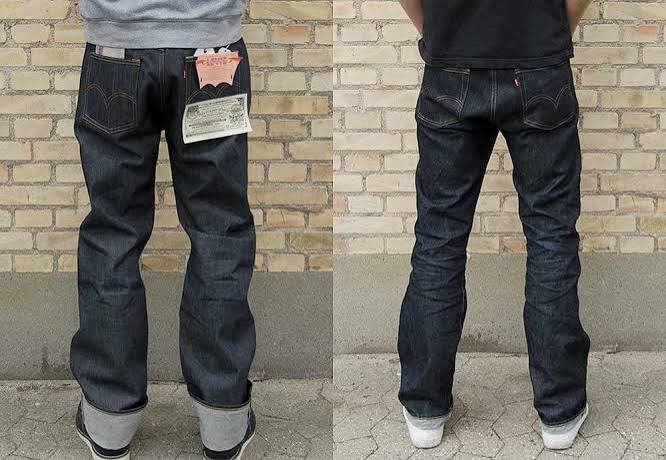
Raw or dry denim arrives unwashed after dyeing and holds the deepest, most uniform indigo color. It will fade and mold to your body over time, developing high-contrast wear patterns where you move and crease. Many purists love this personalized patina, but raw denim shrinks significantly on the first wash — buy a size up in the waist and inseam if you plan to launder them.
Pre-washed or stonewashed denim has already been tumbled and treated to soften the hand and stabilize the shrinkage. These pairs are ready to wear immediately and won’t change much in color over their lifespan. Distressed finishes — whiskering, sanding, bleach spots — add visual interest but can compromise fabric strength at those points; avoid heavy distressing if you need jeans that will hold up to hard use.
Dark rinse western jeans work for dressier occasions and pair well with boots and a button-down, while lighter washes and vintage finishes suit casual, everyday wear. If you ride competitively, check your discipline’s rules — some western performance classes specify dark denim with minimal distressing.
Finding Your Go-To Pair
The right western jeans start with an honest assessment of how you’ll use them — working cattle, weekend trail rides, or competition wear all demand slightly different features. Prioritize fit first, then denim weight and construction quality, and finally the finish and hardware details that match your aesthetic.
Once you’ve nailed down your preferred rise, leg opening, and stretch level, shopping becomes much simpler. If you’re still weighing specific measurements, our western jeans sizing guide and our full collection break down every dimension by style so you can compare options directly. Trust your fit, and you’ll end up with jeans that work as hard as you do.
Notes
The waistband should sit snug but not tight when you fasten it — you should be able to slide two fingers between the denim and your body without forcing them. In the seat, look for enough room to sit comfortably in the saddle without fabric pulling or creating stress lines across the back pockets.
If you’re between sizes, go with the larger waist and have a tailor take in the waistband. A too-tight waist will stretch out and lose its shape within a few wears.
Yes, if you choose a mid- to heavyweight denim with reinforced seams and a bootcut or straight leg that accommodates your boots. Look for jeans without excessive distressing or thin spots, since saddle friction and barbed wire will accelerate any existing wear.
Some riders keep a dedicated pair for competition or showing and rotate a second pair for daily chores.
Most western riders buy an inseam one to two inches longer than their true leg measurement to create a clean stack or break at the boot shaft. The exact length depends on your boot height and personal preference for how much fabric gathers at the ankle.
Try the jeans on with the boots you’ll actually wear and check the hem in a mirror — it should just touch the top of the heel when you’re standing.
Jeans with more than 2-3% elastane content can relax and bag at the knees and seat after a full day of wear, but they’ll usually tighten back up after washing. Rigid denim holds its shape longer between washes but offers less give when you move.
If you ride or work long hours, a small amount of stretch improves comfort without sacrificing structure.
Check the label for pre-shrunk or sanforized denim — these have been treated to stabilize the fabric and will shrink minimally, usually one percent or less. Raw or dry denim that hasn’t been pre-washed can shrink three to five percent in length and one to two percent in the waist.
When in doubt, wash the jeans in cold water and hang them to dry for the first few cycles to minimize shrinkage.
Many competitors choose fits like the ones in our Rocky Mountain bootcut women’s line or styles from the Rock and Roll Denim men’s collection, both of which offer dark washes, clean stitching, and structured fits that meet most discipline rules. Always confirm your association’s dress code before purchasing, since some classes restrict pocket embroidery or require a specific rise height.